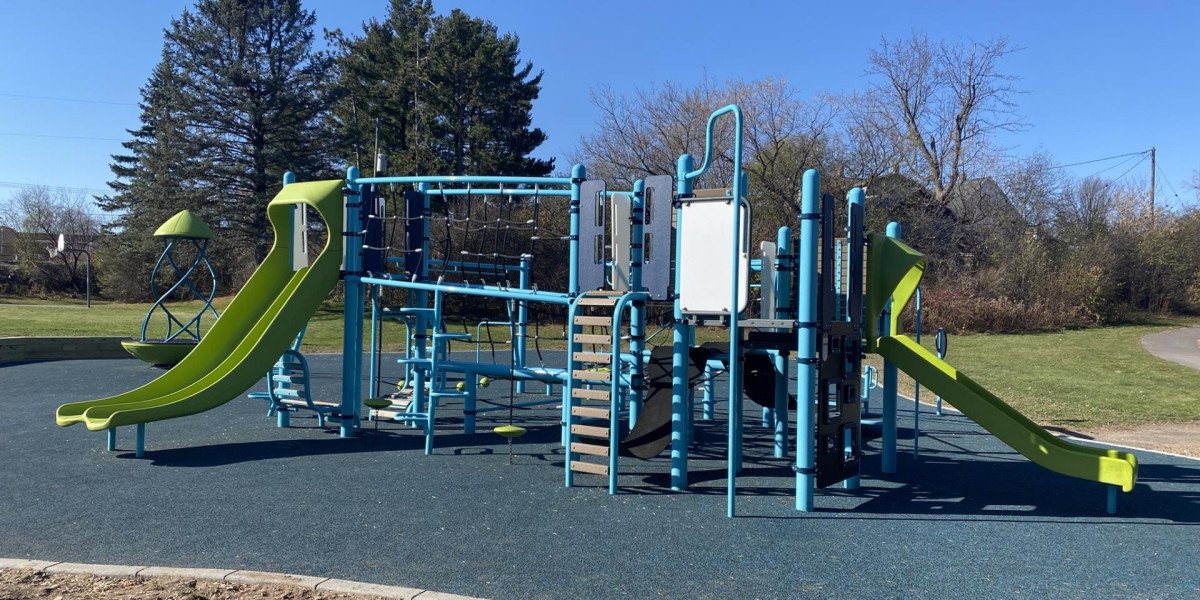
The Importance of Custom, Age-Appropriate Design
The creation of a well-designed playground goes far beyond simply installing a few swings and a slide; it is about cultivating the heartbeat of a community. For children, a playground is a vibrant landscape of imagination, a crucial arena for developing physical strength and social skills, and a sanctuary where lifelong friendships are forged. For school administrators, park directors, homeowner associations (HOAs), and daycare operators, investing in high-quality recreational infrastructure is one of the most impactful and visible decisions you can make to elevate your property. However, navigating the complexities of commercial playground planning—from understanding rigorous safety regulations and inclusive design principles to choosing the right surfacing and managing budget constraints—can be an incredibly daunting task. Partnering with a trusted, local expert who understands the specific environmental and demographic nuances of your region is essential for success. By selecting premium playground equipment riverside county, community leaders can ensure they are investing in durable, customized, and universally accessible structures that will safely serve generations of families.
The modern landscape of outdoor recreation has evolved significantly, shifting away from generic catalog orders toward comprehensive, design-build experiences. This guide explores the critical components of designing, planning, and installing exceptional commercial playground equipment that meets the highest standards of safety, inclusivity, and engagement.
Children process the world differently at every stage of their physical, emotional, and cognitive development. A generalized, "one-size-fits-all" approach to playground design not only severely limits the play value of the space but can also introduce unnecessary safety risks by exposing younger children to equipment they are not developmentally ready to navigate.
Catering to Developmental Milestones
The most successful and highly utilized commercial playgrounds are intentionally zoned to cater to specific age groups, ensuring that every child is appropriately challenged. Infants and toddlers (ages 6 to 23 months) require secure, low-to-the-ground structures that encourage early sensory exploration, balance, and crawling. Preschoolers (ages 2 to 5 years) thrive on equipment that challenges their rapidly emerging gross motor skills. For this group, short slides, imaginative playhouses, and interactive cognitive activity panels foster necessary growth without overwhelming them.
Conversely, elementary-aged children (ages 5 to 12 years) need expansive environments that test their strength, agility, and problem-solving abilities. Complex climbing webs, taller spiral slides, overhead ring trekkers, and dynamic motion equipment provide the physical exertion and healthy risk-taking opportunities that older children crave. An expert playground designer will seamlessly blend these distinct developmental zones into a cohesive, aesthetically pleasing layout, ensuring that children of all ages remain engaged and safe.
Maximizing Your Unique Space
No two recreational sites are identical. A sprawling community park nestled in a suburban neighborhood has vastly different spatial requirements, foot traffic patterns, and aesthetic goals than an urban schoolyard or a compact courtyard within an apartment complex. Custom design is the absolute key to unlocking the full potential of your designated area.
Professional playground architects utilize advanced 3D rendering and site-planning software to tailor the equipment footprint specifically to your topography and budget. Whether your project must navigate challenging, uneven terrain, preserve mature shade trees, or fit within strict municipal footprint limitations, a customized design ensures optimal flow and maintains clear sightlines for caregivers. By taking a bespoke approach to planning, you guarantee that every square foot of your capital investment is maximized for optimal play value.
2. Prioritizing Inclusive and Accessible Play
Play is a universal right. Yet historically, traditional playground designs have unintentionally marginalized children with physical disabilities, sensory processing disorders, and cognitive differences, leaving them on the sidelines. Today, the standard for premium commercial recreational spaces revolves around universal design—ensuring that every child, regardless of ability, has a place to belong.
Beyond Basic ADA Compliance
While the Americans with Disabilities Act (ADA) established vital baselines for accessibility—such as requiring accessible routes and specific transfer stations—true inclusivity extends far beyond mere legal compliance. An ADA-compliant playground might allow a child in a wheelchair to access the perimeter of the play area, but an inclusive playground ensures that the child can actively engage with the core equipment right alongside their peers.
Inclusive design removes invisible social and physical barriers. It does not relegate accessible features to a separate, isolated corner; rather, it weaves them seamlessly into the main structure. This comprehensive approach anticipates the diverse needs of children with varying mobility, as well as the needs of parents and grandparents with physical limitations who wish to actively supervise and play with their families without traversing treacherous terrain.
Designing for All Abilities
Incorporating genuinely inclusive equipment requires thoughtful, empathetic curation. Wide, gently sloped ramps are essential, allowing children using wheelchairs and walkers to reach elevated play stations and exciting vantage points effortlessly. Adaptive, high-backed swings equipped with secure five-point harnesses provide the crucial physical support needed for children with low core muscle tone to experience the thrill of swinging.
Additionally, sensory-rich ground-level experiences are critical for children with autism spectrum disorder (ASD) or sensory processing differences. Interactive musical instruments, tactile gear panels, and cozy, semi-enclosed sensory domes offer necessary cognitive stimulation while providing a safe, calming retreat for children who may easily become overstimulated. By integrating dynamic, accessible equipment like wheelchair gliders and flush-mounted spinners, you foster a community environment rooted deeply in empathy, collaboration, and shared joy.
3. The Turnkey Advantage: From Free Evaluation to Installation
Building a commercial playground is a massive logistical undertaking that involves numerous moving parts. From securing the correct permits and selecting the equipment to pouring specialized surfacing and coordinating heavy construction crews, the process is complex. Attempting to manage multiple vendors and independent contractors can quickly lead to budget overruns, delayed timelines, and immense stress for project managers.
The Value of a Free On-Site Evaluation
The foundation of a successful playground project begins long before the first piece of equipment is ever ordered. Reputable, industry-leading providers set themselves apart by offering a complimentary, no-obligation on-site evaluation to properly assess the scope of the project.
During this crucial initial consultation, local experts will visit your property to evaluate the terrain, measure the available space, assess existing underground infrastructure, and discuss your community’s specific needs and budget parameters. This proactive approach eliminates expensive guesswork. It allows the design team to identify potential obstacles—such as poor drainage, necessary grading, or retaining wall requirements—early in the process. This ensures that the initial design proposals and financial estimates are realistic, accurate, and perfectly tailored to your exact specifications.
Seamless Project Management and Installation
The most efficient and stress-free way to execute a commercial playground project is to partner with a single-source, turnkey provider. A turnkey approach means that one dedicated company handles every single phase of the project: from the initial consultation and custom architectural design to the supply of the equipment, the pouring of safety surfacing, the installation of shade structures, and the final construction.
By consolidating all these services under one roof, you eliminate the friction of coordinating between a separate landscape architect, an out-of-state equipment manufacturer, and an independent, third-party construction crew. A dedicated project manager ensures that communication is completely streamlined, strict timelines are adhered to, and quality control is maintained at every single step. This seamless process allows school administrators and municipality leaders to focus on their primary daily responsibilities, resting easy knowing their project is in expert hands.
4. Safety, Durability, and Comprehensive Site Furnishings
A playground is a substantial long-term investment, and its ultimate success is measured not only by how vibrant it looks on opening day but by how it performs a decade later. Ensuring the safety of the children and the longevity of the equipment requires an uncompromising commitment to utilizing high-quality materials and adhering to rigorous national safety standards.
Meeting Rigorous Safety Standards
Safety is the absolute bedrock of commercial playground design. Premium suppliers ensure that every structure, slide, and swing set they design meets or thoroughly exceeds the strict safety guidelines set forth by the American Society for Testing and Materials (ASTM) and the Consumer Product Safety Commission (CPSC).
Furthermore, top-tier design-build firms often facilitate independent audits conducted by Certified Playground Safety Inspectors (CPSI). These exhaustive post-installation audits verify that the construction has been executed flawlessly, that fall zones are properly calculated and adequately protected, and that all equipment is structurally sound and entirely free from entanglement, protrusion, or entrapment hazards. This rigorous, documented commitment to safety provides immense peace of mind to facility managers and parents alike.
Choosing High-Quality Materials and Surfacing
In regions like Southern California, outdoor equipment must be heavily engineered to withstand intense UV exposure, high summer temperatures, and heavy daily municipal use. Premium commercial structures are constructed using heavy-gauge galvanized steel posts, highly durable rotationally molded plastics, and UV-stabilized powder coatings that actively resist fading, cracking, and rust.
Just as important as the playground equipment is the safety surfacing installed beneath it. While traditional materials like sand or engineered wood fiber (wood chips) are inexpensive upfront, they require constant raking and topping off, and they pose significant accessibility barriers for mobility devices. Upgrading to unitary surfacing—such as Poured-in-Place (PIP) rubber or specialized synthetic playground turf with impact padding—provides superior fall attenuation, effortless wheelchair access, and a clean, low-maintenance aesthetic. Additionally, integrating commercial shade structures, such as large cantilevers or custom shade sails, protects the equipment from overheating and shields children from harmful sun exposure, making the playground a safe, comfortable destination year-round.
Conclusion
Creating a vibrant, safe, and universally accessible play space is one of the most rewarding and impactful projects a community leader can undertake. It is a direct investment in the physical health, cognitive development, and sheer happiness of the children who will utilize the space for years to come. By prioritizing custom age-appropriate design, uncompromising safety standards, and truly inclusive play elements, you can build a recreational environment that serves as a proud, welcoming centerpiece for your school, park, or residential development.