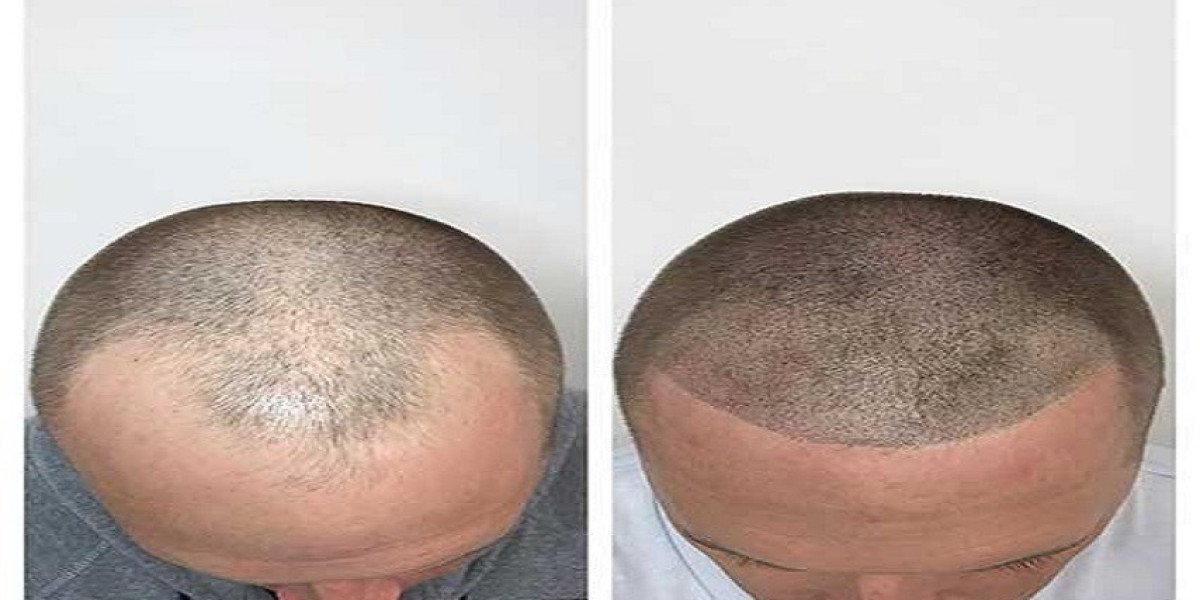
Hair loss often begins gradually, making it easy to dismiss the early signs. Many people wait until significant thinning or bald patches appear before seeking treatment. However, when it comes to Low Level Laser Hair Therapy (LLLT), timing plays a crucial role. Starting treatment early can help stimulate weakened hair follicles, improve hair density, and slow the progression of hair loss.
If you've been wondering whether it's the right time to begin Low Level Laser Hair Therapy, understanding the early warning signs and treatment benefits can help you make an informed decision.
What Is Low Level Laser Hair Therapy?
Low Level Laser Hair Therapy (LLLT) is a non-invasive treatment that uses low-intensity laser light to stimulate hair follicles. The laser energy increases blood circulation in the scalp, delivers more oxygen and nutrients to hair roots, and supports healthier hair growth.
Unlike surgical procedures, LLLT is painless, requires no recovery time, and is suitable for both men and women experiencing certain types of hair loss.
Signs That Indicate It's Time to Start LLLT
- You Notice Increased Hair Shedding
If you're finding more hair than usual on your pillow, hairbrush, or shower drain for several weeks, it may be time to seek professional evaluation. Persistent hair shedding could be an early sign that your hair follicles need support.
- Your Hair Is Becoming Thinner
Hair that feels less dense or appears finer than before should not be ignored. Starting LLLT during the early stages of thinning may help preserve existing hair and improve overall hair thickness.
- Your Hairline Is Beginning to Recede
A slowly receding hairline is one of the earliest signs of male pattern hair loss. Beginning Low Level Laser Hair Therapy before significant follicle damage occurs can help maintain healthier hair growth.
- Your Scalp Is Becoming More Visible
If your scalp is easier to see under bright light or while styling your hair, it may indicate reduced hair density. Early intervention offers a better chance of supporting active hair follicles.
- You Have Been Diagnosed with Early Hair Loss
If a hair specialist confirms conditions such as androgenetic alopecia or early-stage hair thinning, Low Level Laser Hair Therapy may become an effective part of your personalized treatment plan.
- Hair Growth Has Become Slow
When hair takes longer to grow or new strands appear thinner than before, weakened follicles may require additional stimulation to improve their activity.
- You Want to Prevent Further Hair Loss
Even if hair loss is still mild, individuals with a family history of baldness may benefit from starting treatment early to slow progression and maintain existing hair.
Why Early Treatment Makes a Difference
Hair follicles remain active during the initial stages of hair loss. Low Level Laser Hair Therapy works best when these follicles are still capable of producing hair. Waiting until follicles become permanently inactive may reduce the effectiveness of treatment.
Early intervention offers several advantages:
- Supports healthier hair follicles.
- Improves blood circulation in the scalp.
- Helps reduce ongoing hair shedding.
- Encourages stronger and thicker hair growth.
- May delay the progression of hair loss.
Who Can Benefit from Low Level Laser Hair Therapy?
LLLT is commonly recommended for individuals experiencing:
- Male pattern baldness
- Female pattern hair loss
- General hair thinning
- Early stages of alopecia
- Hair weakening due to stress or nutritional deficiencies
- Recovery after certain hair restoration procedures
A professional scalp assessment is essential to determine whether LLLT is suitable for your specific condition.
How Does the Treatment Work?
During each session, specialized laser devices deliver controlled low-level light energy to the scalp. This energy stimulates cellular activity within the hair follicles, enhances circulation, and encourages healthier hair growth without causing discomfort.
Multiple sessions are typically recommended over several weeks or months, depending on the severity of hair loss and the individual's response to treatment.
Can LLLT Be Combined with Other Treatments?
Yes. Low Level Laser Hair Therapy is often used alongside other hair restoration treatments for enhanced results. Depending on the cause of hair loss, specialists may combine LLLT with PRP therapy, medications, nutritional support, or specialized scalp treatments to create a comprehensive hair care plan.
Tips to Maximize Treatment Results
To achieve the best outcomes from Low Level Laser Hair Therapy:
- Start treatment as early as possible.
- Attend all recommended treatment sessions.
- Follow your hair specialist's advice consistently.
- Maintain a healthy diet rich in essential nutrients.
- Reduce stress and get adequate sleep.
- Avoid excessive heat styling and harsh chemical treatments.
Conclusion
The best time to start Low Level Laser Hair Therapy is when you first notice unusual hair shedding, thinning, or changes in your hairline. Early treatment can help stimulate active hair follicles, strengthen existing hair, and slow further hair loss before it becomes more advanced.
At Hairensure Trichology Clinic, experienced hair specialists perform detailed scalp evaluations and create personalized Low Level Laser Hair Therapy treatment plans based on your unique hair condition. Taking action early can help you protect your hair, restore confidence, and support healthier hair growth for the future.
The Connection between Scalp Health and Hair Loss Problems
Best PRP Treatment for Hair Loss and Weak Hair Roots