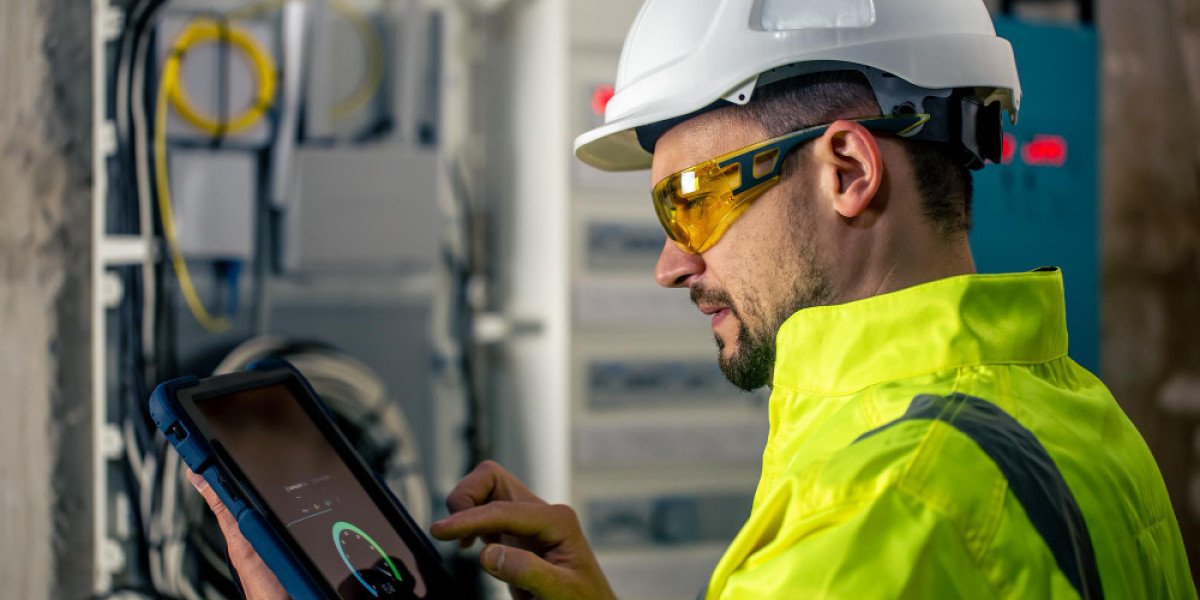
Introduction
Protective relays are a vital part of every electrical power system, ensuring that faults are detected quickly and isolated before they can damage equipment or disrupt operations. However, simply installing a protective relay is not enough. Before an electrical network is energized, the relay must be thoroughly tested, configured, and verified to ensure it performs exactly as intended. This process is known as relay commissioning.
Relay commissioning is a critical step in the commissioning of substations, industrial plants, commercial facilities, and utility power systems. It confirms that protective relays communicate correctly with current transformers (CTs), voltage transformers (VTs), circuit breakers, and other protection devices. By verifying relay performance before the system goes into service, organizations can prevent costly failures, improve safety, and ensure reliable fault protection from day one.
What Is Relay Commissioning?
Relay commissioning is the process of testing, verifying, and validating protective relays after installation and before they are placed into operation. It ensures that the relay settings, wiring, communication, and protection logic match the system design and operate correctly under both normal and fault conditions.
The commissioning process typically includes:
- Verifying relay settings
- Checking wiring and connections
- Testing input and output signals
- Functional testing of protection logic
- Secondary injection testing
- Trip circuit verification
- Communication testing with SCADA and automation systems
These tests ensure that the relay responds accurately and initiates breaker tripping whenever an electrical fault occurs.
Why Relay Commissioning Is Important
Even a properly programmed relay may fail to operate if wiring errors, incorrect settings, or communication issues exist. Relay commissioning helps identify these problems before the electrical system is energized, reducing the risk of equipment damage and unexpected outages.
Proper commissioning helps organizations:
- Verify protection system performance
- Ensure correct breaker operation
- Confirm coordination with other protective devices
- Detect installation errors
- Improve overall system reliability
- Enhance electrical safety
A fully commissioned protection system provides confidence that faults will be cleared quickly and accurately.
Benefits of Relay Commissioning
Reliable Fault Detection
Commissioning confirms that protective relays accurately detect faults such as overloads, short circuits, earth faults, and voltage abnormalities, ensuring rapid response during electrical disturbances.
Improved Equipment Protection
Properly commissioned relays protect transformers, generators, motors, cables, and switchgear from excessive fault currents, reducing the likelihood of costly equipment damage.
Enhanced System Reliability
Testing every protection function before commissioning helps eliminate hidden issues that could otherwise cause unexpected outages or protection failures during operation.
Reduced Downtime
By identifying wiring mistakes, configuration errors, or faulty components before startup, relay commissioning minimizes the risk of unplanned shutdowns and improves operational continuity.
Increased Electrical Safety
Reliable fault protection reduces the risk of arc flash incidents, electrical fires, and hazards to maintenance personnel, creating a safer working environment.
Where Relay Commissioning Is Used
Relay commissioning is essential for a wide variety of electrical installations, including:
- Power generation plants
- Electrical substations
- Manufacturing facilities
- Commercial buildings
- Oil and gas industries
- Chemical processing plants
- Data centers
- Hospitals
- Mining operations
- Utility transmission and distribution networks
Any facility operating medium- or high-voltage electrical systems should include relay commissioning as part of its project and maintenance procedures.
When Should Relay Commissioning Be Performed?
Relay commissioning should be carried out whenever significant changes are made to the protection system, including:
- Installation of new protective relays
- Commissioning of new substations
- Electrical system expansion projects
- Replacement of switchgear or circuit breakers
- Protection system upgrades
- Major relay setting modifications
Periodic recommissioning may also be recommended after major maintenance activities to verify continued protection performance.
Best Practices for Successful Relay Commissioning
To ensure dependable power system protection, organizations should:
- Verify all relay settings against the approved protection design.
- Perform comprehensive secondary injection testing.
- Test breaker trip circuits and control wiring.
- Confirm communication with SCADA and monitoring systems.
- Document all commissioning results for future reference.
- Use experienced protection engineers and calibrated testing equipment.
Following these best practices helps ensure that the protection system performs reliably throughout its operational life.
Conclusion
Relay commissioning is a crucial step in ensuring that protective relays perform accurately and reliably when electrical faults occur. Without proper commissioning, installation errors, incorrect settings, or communication problems can compromise the effectiveness of the entire protection system.
By conducting thorough relay commissioning, organizations can verify protection performance, improve equipment safety, reduce downtime, and enhance the overall reliability of their electrical networks. Investing in professional relay commissioning not only protects valuable electrical assets but also ensures safe, efficient, and uninterrupted power system operation for years to come.
HT Cables Diagnostic Testing: A Key Strategy for Safe and Reliable Power Distribution
Designing Reliable Electrical Networks Using Advanced Power System Analysis