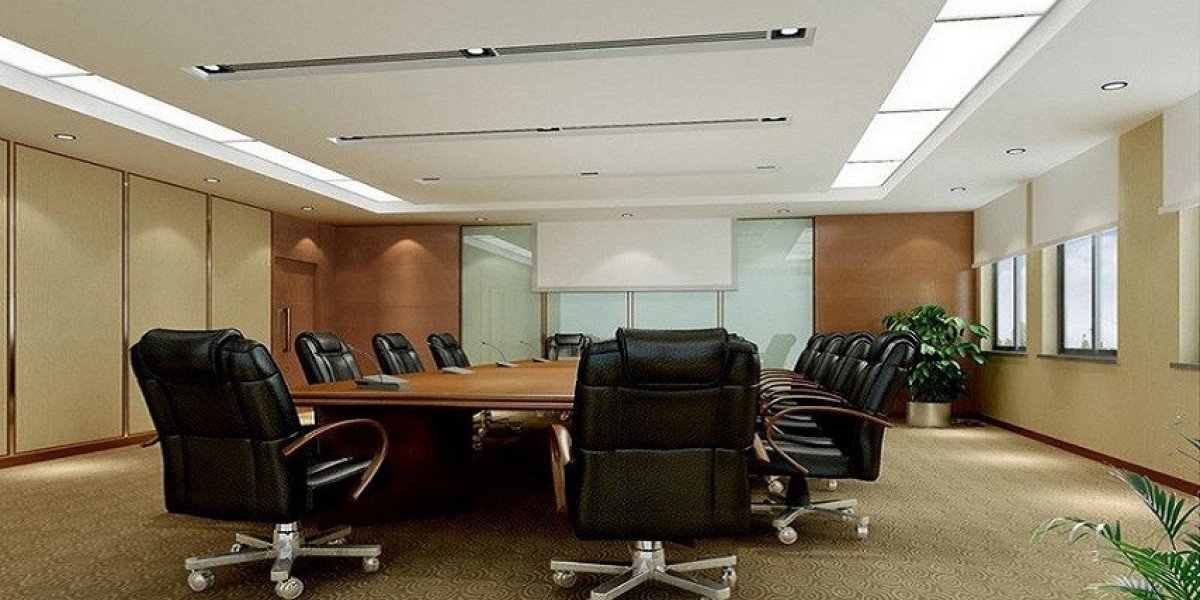
A cafeteria is no longer just a place to grab a quick meal. In today's offices, universities, schools, and institutional campuses, cafeterias have become vibrant social hubs where people connect, collaborate, recharge, and exchange ideas. A thoughtfully designed cafeteria enhances the dining experience while contributing to employee well-being, student engagement, and organizational culture.
Modern cafeteria design combines functionality, aesthetics, and flexibility to create inviting spaces that encourage interaction and productivity. Here are some inspiring cafeteria design ideas that are shaping today's workspaces and campuses.
Create Open and Welcoming Layouts
Open layouts make cafeterias feel spacious, comfortable, and accessible. Instead of dividing the area into isolated sections, designers create flowing spaces that encourage movement and conversation.
Benefits of open layouts include:
- Improved circulation
- Better visibility
- Flexible seating arrangements
- Enhanced social interaction
- A more inviting atmosphere
Open designs also allow natural light to spread throughout the cafeteria, creating a brighter environment.
Offer a Variety of Seating Options
People use cafeterias in different ways—some enjoy eating alone, while others prefer group conversations. Providing multiple seating styles accommodates diverse needs.
Popular seating options include:
- Long communal tables
- Café-style tables
- Booth seating
- High-top counters
- Lounge seating
- Window-side seating
A mix of seating arrangements makes the cafeteria suitable for both casual dining and informal meetings.
Bring Nature Indoors
Biophilic design creates healthier and more relaxing environments by incorporating natural elements into interior spaces.
Nature-inspired features include:
- Indoor plants
- Green walls
- Wooden finishes
- Stone textures
- Natural daylight
Adding greenery improves the visual appeal of the cafeteria while creating a calming atmosphere.
Design Comfortable Collaboration Zones
Modern cafeterias often double as informal meeting spaces where colleagues or students can discuss ideas outside traditional work or classroom settings.
Collaborative areas may include:
- Soft seating lounges
- Shared worktables
- Coffee corners
- Discussion pods
- Semi-private booths
These spaces encourage creativity and strengthen social connections.
Maximize Natural Lighting
Natural light enhances mood, improves energy levels, and creates a pleasant dining experience.
Architects maximize daylight by incorporating:
- Large glass windows
- Skylights
- Glass partitions
- Open floor plans
- Reflective interior finishes
Bright, naturally lit cafeterias feel more spacious and welcoming throughout the day.
Introduce Interactive Food Stations
Interactive serving areas make dining more engaging while improving customer flow.
Examples include:
- Live cooking counters
- Salad bars
- Beverage stations
- Coffee cafés
- Fresh dessert counters
These features create a dynamic dining experience while encouraging people to gather and interact.
Use Warm and Modern Color Palettes
Color has a significant impact on how a space feels.
Modern cafeterias often feature:
- Neutral backgrounds
- Warm wood tones
- Earth-inspired colors
- Green accents
- Brand-inspired feature walls
Balanced color schemes create welcoming interiors without overwhelming the space.
Add Flexible Furniture
Furniture that can be rearranged allows cafeterias to support different activities throughout the day.
Flexible furniture solutions include:
- Modular tables
- Stackable chairs
- Foldable seating
- Mobile partitions
- Multi-purpose furniture
Adaptable layouts make it easy to host events, workshops, and team gatherings.
Improve Acoustic Comfort
Busy cafeterias can become noisy, making conversations difficult.
Architects reduce noise through:
- Acoustic ceiling panels
- Fabric wall treatments
- Upholstered furniture
- Sound-absorbing flooring
- Decorative acoustic partitions
Good acoustic design creates a more enjoyable dining and meeting environment.
Integrate Smart Technology
Technology improves convenience and enhances the overall cafeteria experience.
Modern features may include:
- Digital menu boards
- Self-order kiosks
- Contactless payment systems
- Wi-Fi access
- Charging stations
Technology-friendly cafeterias meet the expectations of today's employees and students.
Include Relaxation Spaces
Not every cafeteria visit revolves around meals. Many users simply need a comfortable place to unwind.
Relaxation features may include:
- Reading corners
- Quiet lounge areas
- Window seating
- Coffee lounges
- Outdoor seating spaces
These areas help reduce stress and provide opportunities for informal conversations.
Design with Sustainability in Mind
Sustainable cafeteria design benefits both organizations and the environment.
Eco-friendly ideas include:
- Energy-efficient LED lighting
- Water-saving fixtures
- Recycled materials
- Waste segregation stations
- Natural ventilation
- Reusable furniture materials
Sustainability supports long-term operational efficiency while reducing environmental impact.
Reflect Organizational Identity
A cafeteria should complement the character of the workplace or campus.
Design elements that reinforce identity include:
- Company or campus colors
- Feature graphics
- Custom wall art
- Inspirational quotes
- Local artwork
- Branded décor
A unique visual identity makes the cafeteria more memorable and strengthens community pride.
Plan for Future Growth
As organizations and campuses expand, cafeterias should be able to adapt to changing demands.
Future-ready features include:
- Expandable seating layouts
- Modular furniture systems
- Multi-functional dining areas
- Scalable utility infrastructure
- Flexible event spaces
Planning for growth helps reduce future renovation costs while extending the usability of the cafeteria.
Conclusion
A modern cafeteria is much more than a dining facility—it is a space that supports collaboration, relaxation, creativity, and community building. By combining open layouts, flexible seating, biophilic design, smart technology, sustainable materials, and inviting interiors, designers can create cafeterias that enhance both functionality and user experience.
Whether serving a corporate office, educational campus, healthcare facility, or commercial complex, an innovative cafeteria design adds lasting value by encouraging interaction, improving well-being, and creating a welcoming environment where people enjoy spending time.
Interesting Approaches Modern Architects Use to Transform Workplace Interiors
What Should Be the Key Objectives of a Well-Planned Cafeteria Design?